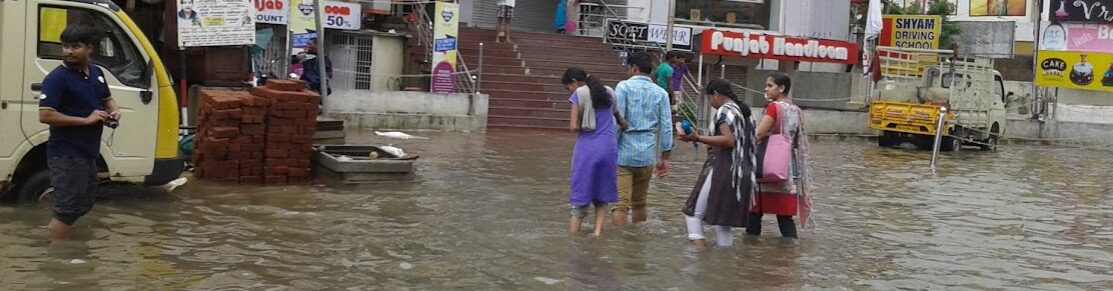
In 2015, during Chennai’s “100-year floods,” the school began reflecting on emergency preparedness. Though I was a PE teacher at the time, I stepped in to help, leveraging my background in disaster preparedness, Boy Scout experience, and first aid and emergency training. We focused on four key areas: personal preparedness, neighborhood support, institutional standards, and virtual learning. I created and annually update a personal preparedness guide for staff, using the “A, B, C, D of Emergency Preparedness,” a mnemonic tool I developed for quick and effective planning.
Asset Inventory & Insurance
Create a detailed inventory of your personal belongings. Use a spreadsheet, app, photos, or video, and record the item’s value, serial number, and other important details. For apps, search “home inventory” in your app store. If you own a home, check your homeowner’s insurance for coverage. If not, consider a renter’s policy, which typically costs $15-$30 per month with a $500-$1,000 deductible. Most policies exclude flood damage unless purchased separately, and international coverage can be tricky to find (Clements Worldwide offers International Renter’s Insurance).
Be Prepared
Stay aware of your surroundings and familiarize yourself with nearby pharmacies, grocery stores, ATMs, and gas stations. Be prepared with the following:
- Have at least 20 liters of drinking water for each person. [More information.]
- Stock food for 3 days, ideally non-perishable and easy to prepare. [Suggestions.]
- Be sure to have a flashlight with extra batteries and candles and matches or lighters.
- Maintain a well-stocked first aid kit [Suggestions] and if possible, an extra supply of any medications you need.
- A multi-tool (pocket tool with knife, pliers, screwdrivers, can opener, etc.) or some basic hand tools can be very helpful.
- Consider having a “go-bag” ready for urgent emergencies. [More information.]
- Be sure to check your smoke detectors, fire extinguishers [how to], and emergency supplies twice a year.
Cash
Set aside rupees specifically for emergencies. Ideally, save enough to cover your needs for up to a week. Additionally, ensure you have a variety of denominations for flexibility. Also, consider establishing a credit line with a local grocery store and, importantly, build relationships with neighborhood vendors. These connections can be crucial during emergencies when access to supplies may be limited.
Documents
Scan or take photos of documents for each member of your household and keep a copy in either cloud storage (with a unique, complex password and two-factor authorization enabled) or on a password-protected thumb drive kept with your emergency supplies or go-bag. In addition to a best practice for emergency preparedness, this can be handy for other situations.
- Driver’s license, Social Security, national ID card or other photo identification.
- Passport, visas, residence permit.
- Birth certificates, marriage certificates, other official documents.
- Medical insurance cards, vaccination and other important medical records.
- Copy of current prescriptions, including any for eyeglasses.
- Insurance records for vehicles and renter’s insurance policies.
- Pet vaccination records and microchip information.
Leave a Reply